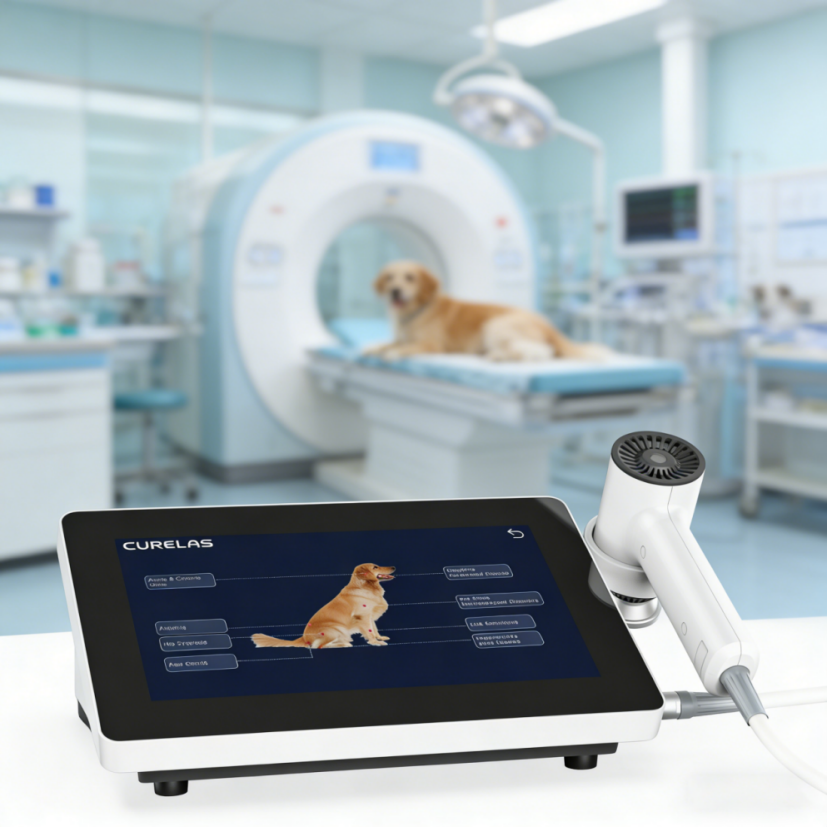
Many veterinary practice owners get confused when evaluating therapeutic laser equipment: what truly separates Class IV high power laser systems from widely marketed Class III cold laser units? Both work on photobiomodulation (PBM) principles, yet their clinical performance diverges greatly when working through animal fur, skin and deep musculoskeletal tissues.
Class III devices deliver maximum output below 500 mW. They can produce satisfactory results for very superficial conditions such as minor surface wounds. However, thick or dark animal fur absorbs and scatters most incoming photons before therapeutic energy reaches deep target structures like joint capsules, tendons and spinal tissues. That forces longer treatment sessions and often inconsistent healing responses in large breed dogs and performance horses.
Professional Class IV veterinary lasers output power above 500 mW. Multi wavelength models covering 810 nm, 980 nm and 1064 nm generate sufficient photon density to overcome fur related energy loss. Higher power does not mean over heating tissues; modern units adopt efficient active air cooling hardware to maintain stable output through back to back patient appointments. Clinicians can adjust power down for small cats or delicate skin wounds, or ramp up for deep lying equine tendon lesions.
For daily clinic workflows, this translates into practical advantages. Shorter treatment times reduce animal stress and improve clinic throughput. Physiotherapy technicians can safely complete most protocols within 3 8 minutes per treatment site without sedation.
Choosing between laser classes is not merely purchasing hardware. It is investing in reliable, repeatable rehabilitation results for your patients. Class IV multi wavelength lasers cover broader clinical scenarios from superficial skin repair to deep chronic joint disorders.